Cracking the US Fantasy Sports App Market: Legalities, Tech & Monetization
The United States has become an undeniable epicenter for fantasy sports, evolving from a niche hobby into a sprawling multi-billion-dollar industry. With tens of millions of passionate fans actively engaging in daily, weekly, and season-long competitions, the potential for innovative
fantasy sports app development has never been more compelling. However, successfully launching and scaling a fantasy sports application in this dynamic landscape requires more than just a brilliant idea and a skilled development team. Entrepreneurs must navigate a complex interplay of legal frameworks, leverage cutting-edge technology, and devise ingenious monetization strategies to truly thrive.
The demand is profound, with over 60 million fantasy sports players across the US and Canada, the vast majority residing south of the border. This presents an unparalleled opportunity for businesses willing to delve into the intricacies of this vibrant market. But what exactly makes the US so uniquely fertile ground for
fantasy sports app development, and what critical factors must be addressed to ensure success?
The Unrivaled Potential of the US Fantasy Sports Market
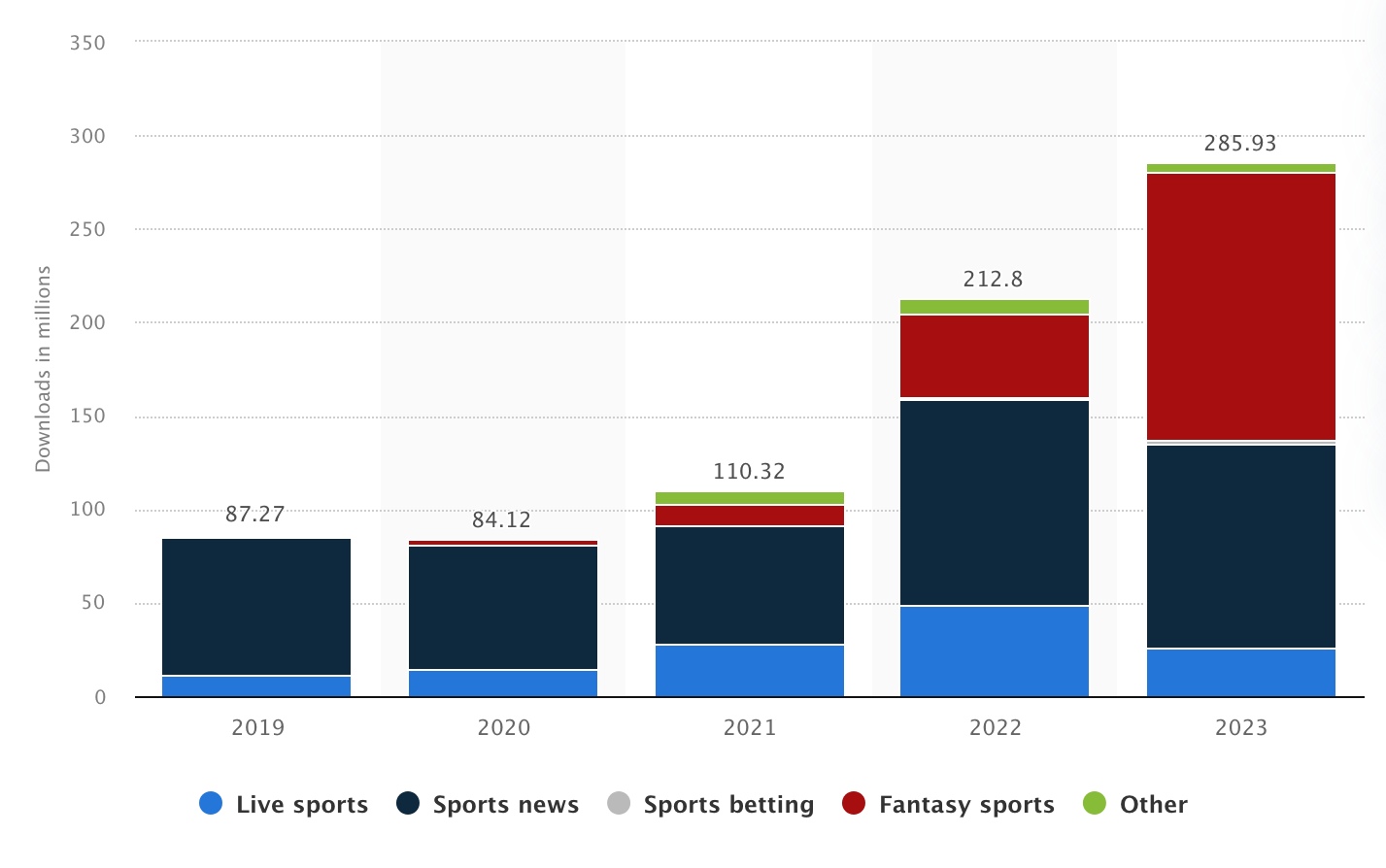
The US fantasy sports market isn't just large; it's intensely engaged and rapidly expanding. Projections estimate the market to exceed $10 billion in sales, fueled by a deeply passionate sports fan base. This isn't merely about casual engagement; American users exhibit exceptional dedication, often dedicating hours to managing their teams, researching player insights, and interacting with content on their chosen platforms. This high level of engagement translates directly into several attractive benefits for app developers:
- Explosive Growth & Scalable Profits: The popularity of diverse formats—from traditional season-long leagues to fast-paced daily fantasy sports (DFS) and simplified pick'em games—offers multiple avenues for user acquisition and monetization. This variety provides a broad appeal, attracting different segments of sports enthusiasts.
- Exceptional User Retention: The deep investment users make in their fantasy teams fosters strong loyalty and recurring engagement. This means lower churn rates and extensive opportunities to monetize through various channels like in-app advertisements, subscription models for premium features, and exclusive content offerings. The more invested users are, the more likely they are to explore and pay for enhanced experiences.
- An Unparalleled Fan Base: The United States boasts one of the world's most fervent and active sports fan communities. This built-in audience provides a rich and receptive ground for fantasy sports app development, making user acquisition potentially more efficient than in less sports-obsessed regions.
These factors combine to create a high-growth environment where strategic investment in
fantasy sports app development can yield substantial returns.
Navigating the Legal Labyrinth: A Foundation for Success
Perhaps the most critical, yet often underestimated, hurdle in the US fantasy sports market is its intricate legal landscape. While fantasy sports are broadly recognized as games of skill rather than chance, and thus largely legal in the majority of US states, the specifics of legislation can vary dramatically. Entrepreneurs must meticulously ensure their platform complies with both federal and state laws.
The foundational federal law is the
Unlawful Internet Gambling Enforcement Act (UIGEA), which carved out an explicit exemption for fantasy sports, distinguishing them from illegal online gambling. However, this exemption doesn't negate the need to comply with individual state regulations. Some states have specific licensing requirements, tax structures, and age restrictions for fantasy sports operators. Others may have stricter rules for certain formats like DFS.
Key Legal Considerations:
- Seek Expert Legal Counsel: This cannot be stressed enough. Engaging legal professionals specializing in fantasy sports and US internet law early in your fantasy sports app development journey is non-negotiable. They can help navigate licensing procedures, understand state-specific tax implications, and ensure strict adherence to age verification protocols.
- Understand State-by-State Variations: What's legal in New Jersey might be restricted in Washington. Your app's operational footprint must be tailored to comply with the laws of each state where it operates. This might involve geo-fencing features or varied offerings depending on location.
- Maintain Transparency: Clear terms of service, robust privacy policies, and transparent rules for contests are vital for building user trust and demonstrating regulatory compliance.
A clear and strong legal foundation is paramount for credibility, seamless scalability, and long-term growth in the competitive US market. For a deeper dive into these essential steps, explore our article on
Navigating the US Fantasy Sports App Market: Essential Steps for Success.
Technological Edge: Innovation in Fantasy Sports App Development
In an increasingly competitive market, technology isn't just an enabler; it's a differentiator. Modern
fantasy sports app development demands sophisticated solutions that can provide real-time data, deliver personalized experiences, and power intelligent gameplay features.
Leveraging Advanced Technology:
- AI and Data Analytics: Artificial Intelligence and robust data analytics are transforming how users interact with fantasy sports. AI can power predictive analytics for player performance, offer personalized player recommendations, and even optimize team lineups. Data analytics provides users with invaluable insights, statistics, and trends to inform their strategic decisions.
- Real-time Data Integration: Users expect instant updates. Seamless integration with reliable sports data providers is crucial for delivering live scores, player statistics, injury reports, and breaking news in real time. This responsiveness keeps users glued to the app during games.
- Personalized User Experiences: AI-driven algorithms can customize content feeds, contest recommendations, and notifications based on a user's preferences, past activity, and favorite sports/teams. This level of personalization significantly boosts engagement.
- Robust Backend & Scalability: A successful fantasy app must handle millions of concurrent users, massive data streams, and rapid transactions without a hitch. Investing in a scalable, secure, and high-performance backend infrastructure is non-negotiable for any serious fantasy sports app development project.
- Intuitive UI/UX Design: Beyond powerful features, the user interface and user experience must be flawless. An intuitive, attractive, and responsive design ensures ease of navigation, reduces friction, and keeps users coming back.
- Secure Payment Gateways: For apps involving monetary transactions (entry fees, withdrawals), integrating secure, reliable, and compliant payment gateways is absolutely critical for user trust and operational integrity.
Staying ahead technologically ensures your platform can not only meet but exceed user expectations, carving out a unique identity in a crowded digital space.
Monetization Strategies: Building a Profitable Ecosystem
With millions of highly engaged users, the US fantasy sports market offers diverse and lucrative monetization opportunities. The key lies in understanding your target audience and selecting the right combination of revenue models.
Common Monetization Pathways:
- Entry Fees & Commissions: This is the most direct model, especially for DFS and traditional season-long leagues with prize pools. Users pay an entry fee to participate, and the platform takes a small commission from the total pool.
- Subscription Models: Offering premium subscriptions can unlock advanced features such as ad-free experiences, enhanced analytics tools, expert projections, exclusive contests, or personalized coaching insights. This caters to serious players willing to pay for an edge.
- In-App Advertising: Displaying targeted advertisements, sponsored content, or promotional offers from partners (e.g., sports betting sites where legal, merchandise brands) can generate significant revenue, especially with high user traffic and retention.
- Freemium Models: A blend of free and paid features allows for broad user acquisition while enticing users to upgrade for a richer experience. Free contests can draw in new players, who might then convert to paying users for more competitive or rewarding formats.
- Partnerships and Brand Collaborations: Collaborating with sports leagues, teams, media outlets, or related businesses can open up new revenue streams through co-branded contests, exclusive content, or referral programs.
- Merchandise & E-commerce Integration: For highly engaged communities, integrating an e-commerce store selling official merchandise, custom team gear, or partner products can be an effective way to monetize brand loyalty.
The strategic selection and implementation of these models, combined with the US market's exceptional user engagement, allow for robust and scalable profit generation. For a comprehensive look at how market growth, engagement, and regulations impact these strategies, refer to
The US Fantasy Sports App Boom: Market Growth, Engagement & Regulations.
Conclusion
The US fantasy sports app market presents an extraordinary opportunity for visionary entrepreneurs. Its robust growth, passionate user base, and evolving technological landscape create a fertile ground for innovation and significant financial success. However, navigating this terrain successfully demands a strategic approach that prioritizes understanding the complex legal framework, investing in cutting-edge technology, and devising intelligent monetization strategies. By meticulously addressing these core pillars, businesses undertaking
fantasy sports app development can not only enter the market but truly dominate, offering users an unparalleled, engaging, and compliant experience. The time is ripe to turn the dream of a successful fantasy sports app into a tangible, profitable reality.