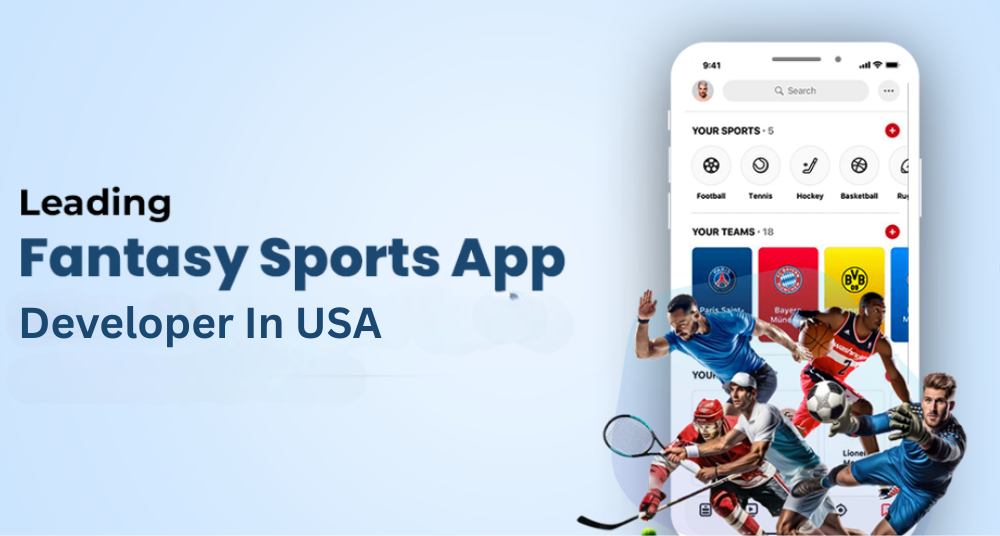
The landscape of sports entertainment in the United States has undergone a dramatic transformation. What was once a niche hobby for dedicated fans has exploded into a multi-billion-dollar industry: fantasy sports. Fueled by an incredibly passionate fanbase, technological advancements, and evolving legal frameworks, the US fantasy sports app market is experiencing an unprecedented boom. For entrepreneurs and businesses looking to make their mark, understanding the dynamics of this vibrant sector – from market growth and deep user engagement to complex regulatory challenges – is paramount for successful fantasy sports app development.
The Unstoppable Rise of US Fantasy Sports Apps
The United States stands as the undisputed heartland for fantasy sports, boasting over 60 million players across the US and Canada, with the vast majority residing south of the border. This immense and active community provides fertile ground for innovation and expansion. Analysts project the US fantasy app market to surpass $10 billion in sales, underscoring its rapid growth trajectory and significant revenue potential. This isn't just a fleeting trend; it's a deeply entrenched aspect of how millions of Americans engage with their favorite sports.
The market's appeal lies in its diverse offerings, catering to various player preferences:
- Season-Long Leagues: The traditional format, where participants draft teams at the start of a season and manage them for months, fostering community and sustained engagement.
- Daily Fantasy Sports (DFS): A fast-paced format allowing users to draft new teams for single-day or weekly contests, offering immediate gratification and higher frequency of play.
- Pick'em Games: Simpler prediction-based contests, often appealing to casual players who enjoy quick, low-commitment engagement.
Each format presents unique monetization opportunities, from entry fees and premium memberships to advertising and in-app purchases. The ability to cater to different player types, combined with scalable profit models, makes fantasy sports app development an exceptionally attractive venture.
Driving Factors Behind the Boom: Engagement, Legality & Tech Innovation
The remarkable growth of fantasy sports in the US isn't accidental; it's the result of several powerful intersecting forces:
Unparalleled User Engagement
American sports fans aren't just spectators; they're deeply invested participants. Fantasy sports apps tap into this passion, transforming passive viewers into active managers. Users often spend hours each week meticulously researching player statistics, analyzing insights, strategizing team lineups, and interacting with content on platforms, especially for popular choices like a football fantasy app. This profound level of engagement leads to:
- High Retention Rates: Players become emotionally invested in their teams and leagues, leading to sustained usage.
- Community Building: Leagues foster camaraderie and competition among friends, family, and even strangers, enhancing the social aspect of sports.
- Increased Content Consumption: Users follow more games, players, and news to gain an edge, driving traffic and ad impressions for content providers.
This deep connection provides extensive opportunities for app developers to monetize through subscriptions, premium features, and targeted advertising.
Clarity Through Legalization and Regulation
Perhaps one of the most significant catalysts for the recent boom has been the increasing clarity and acceptance of fantasy sports within the legal framework. Unlike traditional sports betting, fantasy sports have largely been classified as a game of skill rather than chance, a distinction that has paved the way for widespread legalization and regulation across a majority of US states. While the federal Unlawful Internet Gambling Enforcement Act (UIGEA) of 2006 created initial hurdles, subsequent interpretations and state-level legislative efforts have clarified the legality of fantasy sports.
This evolving legislative support minimizes legal exposure for operators, fostering a more stable and predictable environment for launching and operating reputable platforms. For any business embarking on fantasy sports app development, understanding and adhering to these nuanced state-specific regulations – including licensing requirements, age restrictions, and tax obligations – is crucial. Cracking the US Fantasy Sports App Market: Legalities, Tech & Monetization provides further insights into this critical aspect.
Technological Advancements
Modern technology is the engine powering the sophisticated functionality of today's fantasy sports apps. Innovations in Artificial Intelligence (AI) and data analytics have revolutionized the user experience, enabling platforms to offer:
- Real-Time Data Integration: Instant updates on player performance, scores, and news, crucial for live contests and in-game adjustments.
- Personalized Experiences: AI-driven recommendations for lineups, waiver wire pickups, and content tailored to individual user preferences and league settings.
- Smart Gameplay Features: Advanced algorithms for fair play, opponent matching, and even predictive analytics to enhance strategic decision-making.
- Seamless User Interfaces: Intuitive and aesthetically pleasing designs that make complex data accessible and team management effortless.
In a competitive market, these technological differentiators are vital for attracting and retaining users, proving that successful fantasy sports app development is as much about cutting-edge tech as it is about compelling gameplay.
Navigating the Competitive Landscape: Key Considerations for Fantasy Sports App Development
Entering the US fantasy sports market requires more than just a great idea and a development team. It demands a strategic approach to overcome challenges and capitalize on opportunities within an increasingly crowded space.
Prioritizing Legal Compliance
As highlighted, the legal landscape is complex and varies significantly from state to state. Ignoring this can lead to severe penalties, reputational damage, and operational shutdowns. Before any significant investment in fantasy sports app development, it's non-negotiable to:
- Obtain Expert Legal Counsel: Engage legal professionals specializing in gaming and sports law to navigate state-specific regulations, licensing, and compliance with the UIGEA.
- Understand Age Verification: Implement robust systems to ensure all users meet the legal age requirements for participation.
- Address Taxation: Be aware of and comply with federal and state tax laws related to prize winnings and operational revenue.
A clear legal foundation is not just about avoiding trouble; it's a cornerstone for credibility, scalability, and long-term growth in the US market.
Crafting an Engaging User Experience (UX/UI)
In a market brimming with options, user experience is king. An intuitive, visually appealing, and responsive app is critical for capturing and retaining players. Key elements of superior UX/UI design include:
- Clean and Intuitive Navigation: Users should effortlessly find information, manage teams, and enter contests.
- Personalization Options: Allow users to customize their dashboard, notifications, and preferred sports.
- Real-time Updates and Notifications: Crucial for keeping players informed of game scores, player injuries, and league updates.
- Social Features: Integrate chat, league message boards, and direct challenges to foster community and engagement.
Investing in exceptional design ensures your app stands out, delivering a seamless and enjoyable experience that keeps users coming back.
Strategic Monetization and Marketing
While user engagement is high, converting that engagement into sustainable revenue requires a well-thought-out strategy. Common monetization models include:
- Freemium Models: Offering basic features for free while charging for premium content, advanced analytics, or ad-free experiences.
- Subscription Services: Recurring fees for access to exclusive leagues, deeper insights, or professional tools.
- In-App Purchases: Selling virtual currency, cosmetic items, or special boosts.
- Advertising: Leveraging high user traffic for targeted ads, though care must be taken to not disrupt the user experience.
Coupled with monetization, effective marketing is essential to break through the noise. This includes robust user acquisition campaigns, strategic partnerships, and leveraging social media to build a strong community around your app. For a deeper dive into these strategies, refer to Navigating the US Fantasy Sports App Market: Essential Steps for Success.
Essential Steps for a Successful Fantasy Sports App Development Journey
For those ready to dive into this lucrative market, a structured approach to fantasy sports app development is key:
- Comprehensive Market Research: Identify your target audience, preferred sports, and specific pain points your app can solve. Are you targeting hardcore NFL fans, casual NBA enthusiasts, or a niche like fantasy soccer?
- Define Core Features & Unique Selling Proposition (USP): Beyond the essentials (team management, live scoring, player stats), what makes your app different? Is it an innovative draft mechanic, superior analytics, unique social integration, or a specific game format?
- Legal Due Diligence (Early & Ongoing): Consult legal experts from day one to ensure full compliance with federal and state laws, obtaining all necessary licenses and understanding tax implications.
- Robust Technology Stack & Scalability: Choose technologies that can handle high traffic, real-time data processing, and future growth. Cloud-based solutions, powerful APIs for data feeds, and secure backend infrastructure are paramount.
- Focus on UI/UX Design: Invest in professional designers to create an intuitive, engaging, and visually appealing interface that ensures a seamless user journey.
- Implement Advanced Analytics & AI: Leverage these technologies to offer personalized experiences, predictive insights, and robust fraud detection.
- Prioritize Security: Implement top-tier security measures to protect user data, financial transactions, and prevent cheating or unauthorized access.
- Thorough Testing & Iteration: Conduct extensive beta testing to identify bugs, gather user feedback, and refine features before a full public launch.
- Strategic Launch & Post-Launch Support: Develop a comprehensive marketing plan for launch and ensure ongoing support, updates, and community management post-launch.
The US fantasy sports app market is undeniably vibrant and offers immense opportunities for innovation and growth. However, success in this rapid-fire business demands a blend of visionary thinking, meticulous planning, and flawless execution. By understanding the market's drivers, meticulously navigating legal complexities, and prioritizing user-centric and technologically advanced fantasy sports app development, entrepreneurs can position themselves to not just participate, but to truly win in this exciting digital arena.